Pencil Box: The Quirky Handwritten Script Font for Standout Designs
In a digital landscape saturated with sterile, uniform sans-serifs and rigid geometric typefaces, Pencil Box offers a refreshing breath of air. This isn't just another premium font designed to fill a gap in your library; it is a character-driven display font that captures the spontaneous energy of a sketchbook. With its incredibly cursive feel and quirky personality, Pencil Box transforms static layouts into dynamic conversations. Whether you are a brand strategist looking to humanize a corporate identity or a crafter designing custom packaging, this creative font brings an authentic touch that algorithmic templates simply cannot replicate.
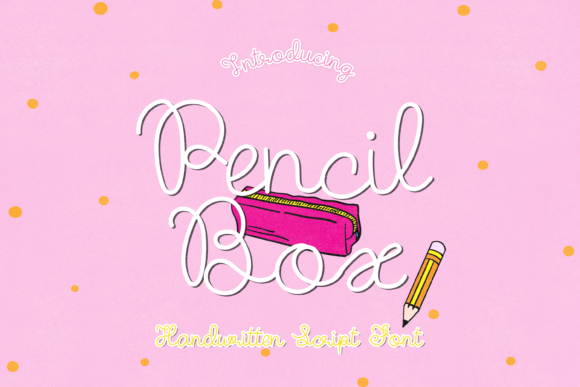
The visual appeal of Pencil Box lies in its imperfect perfection. It mimics the natural rhythm of handwriting without feeling forced or chaotic. The strokes vary in thickness, capturing the pressure of a real pencil on paper, while the loops and flourishes suggest movement. Unlike traditional serif fonts that demand formality or standard script fonts that can veer into illegibility, Pencil Box strikes a balance between artistic flair and functional design. It feels approachable yet sophisticated, making it an ideal choice for designers who want their work to stand out without sacrificing readability.
Why This Handwritten Font Resonates in Modern Branding
Today's consumers are increasingly skeptical of polished, mass-produced content. They crave authenticity, connection, and a human element in the brands they support. This is where Pencil Box shines as a powerful tool for brand identity. When used correctly, a handwritten font like this signals that there is a person behind the product—a creator, a maker, or a storyteller.
Consider the psychology of typography. A heavy, blocky font might communicate stability and strength, but it often feels cold. In contrast, the fluid lines of Pencil Box evoke warmth and creativity. It softens the overall tone of a design project, inviting the audience to lean in closer. For small business owners and entrepreneurs, this font can be the difference between a generic logo and a memorable mark that sticks in the mind. It adds a layer of personality that helps businesses differentiate themselves in crowded marketplaces.
The versatility of Pencil Box extends beyond just logos. It works exceptionally well in editorial design, where it can serve as a compelling drop cap or a section header that breaks up dense blocks of text. In web design, using this font for hero headlines or call-to-action buttons can significantly boost engagement rates by drawing the eye immediately. Its unique style ensures that your social media graphics do not get lost in the endless scroll of feeds, providing a visual hook that encourages users to pause and interact.
Practical Applications Across Creative Industries
While Pencil Box is undeniably a display font, its utility spans a wide array of projects. The key to leveraging its potential lies in understanding where it fits naturally within a hierarchy of type.
- Logo Design: The font's distinct character makes it perfect for boutique brands, coffee shops, artisanal food labels, and creative agencies. It conveys a sense of craftsmanship and attention to detail.
- Packaging Design: Imagine a box of handmade soaps or a jar of gourmet jam. Pencil Box adds a tactile quality to the packaging, suggesting that the contents inside are made with care rather than mass-produced in a factory.
- Social Media Graphics: Content creators can use this font for quotes, event announcements, or promotional banners. The handwritten aesthetic feels personal, as if a friend wrote the message directly to the viewer.
- Editorial & Publishing: For book covers, magazine headers, or blog post titles, Pencil Box provides a modern typography twist that feels both nostalgic and contemporary.
- Commercial Licensing: As a commercial font, it allows businesses to use these assets legally across various mediums, from print advertisements to digital campaigns, ensuring peace of mind regarding intellectual property.
Making the Right Choice: Pairing and Readability
Selecting the right typeface is about more than just aesthetics; it is about function. While Pencil Box is a standout star, it rarely plays well alone. To create a cohesive design system, you need to pair it with complementary typefaces that provide structure and balance.
Because Pencil Box has a strong personality, it pairs beautifully with clean, understated sans-serif fonts. A simple sans serif can act as the supporting cast, handling body copy and secondary information without competing for attention. This combination creates a clear visual hierarchy, guiding the reader's eye from the expressive headline down to the essential details. Alternatively, pairing it with a classic serif font can elevate the design, adding a touch of elegance suitable for high-end editorial projects or luxury branding.
Readability remains a critical consideration. Even the most beautiful script font must be legible to be effective. Pencil Box is designed with this in mind, maintaining enough clarity to be read quickly, even at smaller sizes. However, best practices dictate that it should be used for short phrases, headlines, or emphasis rather than long paragraphs of text. Overusing any display font can lead to visual fatigue, causing the audience to disengage with your content.
When evaluating project fit, always test your font choices in context. Don't just look at the letters in isolation; place them on the actual background, within the intended layout, and at the size they will appear in the final product. Review the included styles carefully—does the font family offer multiple weights or alternate characters that could enhance your specific needs? Testing different combinations will help you determine if Pencil Box aligns with your brand's voice and the project's goals.
Elevating Your Design Assets with Authenticity
Ultimately, the value of Pencil Box comes from its ability to inject soul into design assets. In a world of digital perfection, imperfection is becoming a premium feature. This font reminds us that creativity is messy, organic, and uniquely human. By incorporating it into your workflow, you are not just choosing a typeface; you are making a statement about the values of your brand or project.
Whether you are revamping a website, launching a new product line, or creating a series of marketing materials, taking the time to explore how Pencil Box influences your visual language can yield surprising results. It challenges you to think differently about spacing, alignment, and composition. It pushes you to embrace the quirks that make your work distinctive.
For designers, marketers, and creatives willing to experiment, Pencil Box offers a versatile toolkit for building recognition and fostering engagement. It bridges the gap between the digital and the analog, bringing the warmth of a hand-drawn note into the heart of modern design. By integrating this font thoughtfully, you ensure that your designs do not just inform—they connect.